
Struggling with a New ADHD Diagnosis?
Hi Beth,
I’m in my late 40s and struggling with a new ADHD diagnosis. I’ve been messy and late most of my life, but I’ve also worked hard to make it up to everyone. Lately it seems I can’t get back on track no matter how hard I try, and it’s stressing me out.
I’m way more sensitive and irritable than usual and my homelife is fracturing. My manager is increasingly frustrated with loose ends when deadlines are up. It’s wearing me down. I want to get some help but I’m not sure where to start, or what kind of help is best.
Signed,
Tessa’s Trying Hard
Hi Tessa,
Take a moment and a deep breath. You are not alone in this.
ADHD flies under the radar for a lot of us. I was blindsided by it in my 50s. More and more adults are where you are in mid-life with an ADHD diagnosis, especially women. It’s no wonder we’re part of the lost generation in mental health since ADHD diagnostic criteria when we were kids was from research on boys. There are also men whose ADHD diagnosis was missed because the criteria was too narrow. Thankfully ADHD research and awareness are catching up. Tessa, things will get more than better after your ADHD diagnosis.
You didn’t mention if you’re self-diagnosed or diagnosed by a medical provider. Either is a good place to start when researching your next steps. Action and knowledge together are vital to feel back in control and on the right track. Below are ways to get started, in no particular order. Pick a step that feels right and start learning. Check for some near you in our resource section.
- Find an ADHD Medical Specialist who knows their stuff when it comes to ADHD. Look for a physician, psychiatrist, neurologist, or nurse practitioner trained in ADHD diagnosis and medication management. Talk to them openly about their being supportive of your researching ADHD treatments that fit you. Resist the temptation to seek a diagnosis or medication support from your family doctor, general practitioner, or primary care provider unless they are ADHD specialists.
- Pair an ADHD Psychotherapist with an ADHD Coach. An ADHD psychotherapist can help you through internal and barriers to your success. Processing past experiences is crucial for moving forward. Pairing psychotherapy with an ADHD coach who specializes in areas similar to your life can be transformative. Together, they help clear your path to self-discovery and growth. They can help you learn about and consider different treatment options to help you create a plan tailored to your unique needs.
- Connect with ADHD Support Groups. Connecting with others who are going through similar experiences can be immensely helpful. ADHD Support Groups offer a space to share experiences, advice, and find emotional support. Hearing from others who are managing their ADHD can provide insights and inspiration. Swap stories, share tips, and have a good laugh. They’re also a great place to get recommendations for ADHD providers.
- Lastly, let’s talk about Self-Care. Notice I put Self-Care last? Just like we all do. Seriously Tessa, you’ve been carrying a heavy load, and it’s time to take care of yourself. You need to give yourself a break before you break yourself. Practice noticing negative self-talk and consider acknowledging to yourself that something is difficult, or disappointing. It’s all about finding what works for you and taking small steps towards a healthier, happier you. When you decide to share your ADHD news with those at home, be open and honest about the challenges you’re facing and the steps you are taking. Ask them for grace and support as you find your way. Be prepared to not overshare, even with those closest to you. It was a lot for you to take in at first; they won’t have the context and may not be prepared to give you instant support on-demand. When they are ready to learn more, help them understand the impact of ADHD on your life and relationships. Loved ones can become pillars of support, offering patience and encouragement as you navigate your new roadmap. Be sure to encourage them to seek their own support since living with us can be a lot sometimes. And by the way, your relationship needs support too.
Tessa, it’s easy to be impatient and anxious with newly diagnosed or untreated ADHD. Figuring out ‘what’s next’ without getting lost is key. Have a plan for what to do when you do get lost. Reach out for support, embrace the process, and don’t be too hard on yourself along the way. Let me know how you are doing and what you learned works best for you.
Take care and thrive,
Beth
About the Author
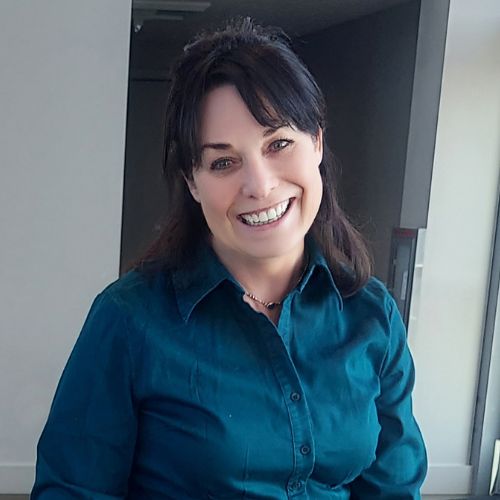
Hey there! I'm Beth, a neurodiversity advocate and consultant here to help smooth the path of your ADHD journey.
The Latest in The Blog
When Design Can’t See What a Word’s Shape Needs
The Dyslexic Eye Knows Something’s Off
Can you see it? You know that feeling when something just feels off? For me, it’s often about how the shape of words, their placement or the space around them becomes more than a just a speed bump when reading them. It hits me like a wall and I can’t move on. If I can’t quickly figure out what’s off, I can force myself to move on–to get over it. But pushing that feeling down only keeps pulling me back. I’ve wondered about this throughout my career — until recently. I’ve learned that if something seems off for me, there’s an excellent chance others in the world experience the same thing. It turns out there are words for it. Visual rhythm, font tension, word silhouettes, micro-rhythms . . . all the things my dyslexic brain silently insists is off while everyone else says, “It looks fine.” This is the story of finding the words to explain what I’ve always seen — and why these words about how words are treated in design are making are letting non-design marketers let out an exhale in relief.

The Hidden Patterns of RSD No One Understands
How Mapping RSD Helped Me Understand It
RSD was hard to explain at first—what I thought were just normal feelings turned out to be something much more interesting. Realizing it was part of my ADHD was a turning point. To make sense of it, I mapped out the seven phases of an RSD episode—from the trigger’s impact until it fades. Seeing these phases clearly not only helps in choosing strategies in the moment but also revealed deeper patterns—like over-apologizing, over-explaining, people-pleasing, perfectionism, and the exhausting cycle of procrastination/burnout. It shed light on why setting boundaries felt impossible and why second-guessing everything became second nature. A lot of recovery has come from learning about RSD—I hope it helps others find the same clarity.

Navigating RSD
A Personal Journey of Discovery and Transformation
In early 2021, I embarked on a transformative journey by taking Scott Barry Kaufman’s “Transcend” course, inspired by his book of the same name.

Why We Don't Know Our Needs
My disordered ways weren’t always assets. Every day, the small child inside wistfully, desperately wished to be organized and feel the confidence of knowledge.
No results available